

Blog

AI Governance Is a Leadership Problem, Not an IT Problem

There’s a pattern I keep seeing in organizations that are struggling with AI governance, and it starts the same way every time: the CISO or the General Counsel gets assigned ownership of “the AI policy,” produces a document, and then watches as the rest of the organization ignores it — not out of bad intent, but because nobody connected the policy to how work actually gets done.


Continue reading

Build, Buy, or Prompt: AI Adds a Third Option to Your Software Decision Framework

A little over a year ago, I wrote that the build vs. buy debate was the wrong frame — that the real question was how to orchestrate the right blend of built, bought, and integrated capabilities to deliver value faster. I still believe that. Composability and platform thinking haven’t gone anywhere.

Continue reading

Your Engineering Career Ladder Needs a Rewrite — AI Changed the Job

A while back, I wrote about building a modern engineering career ladder — the competency dimensions, the dual-track progression, the principle that growth should be behavior-based, not time-based. I still stand behind all of it.

But I also have to be honest: if your career ladder was written before 2025 and hasn’t been touched since, it’s already out of date. Not because the fundamentals changed — they didn’t. Because the job changed.

Continue reading

Scaling Tech Teams in the Age of AI: The New Playbook

A few years ago, I wrote about scaling an engineering team from 6 to over 100 — the lessons learned, the hard pivots, and the patterns that held up under real pressure. That article was grounded in a specific kind of scaling: more people, more process, more structure.

Continue reading

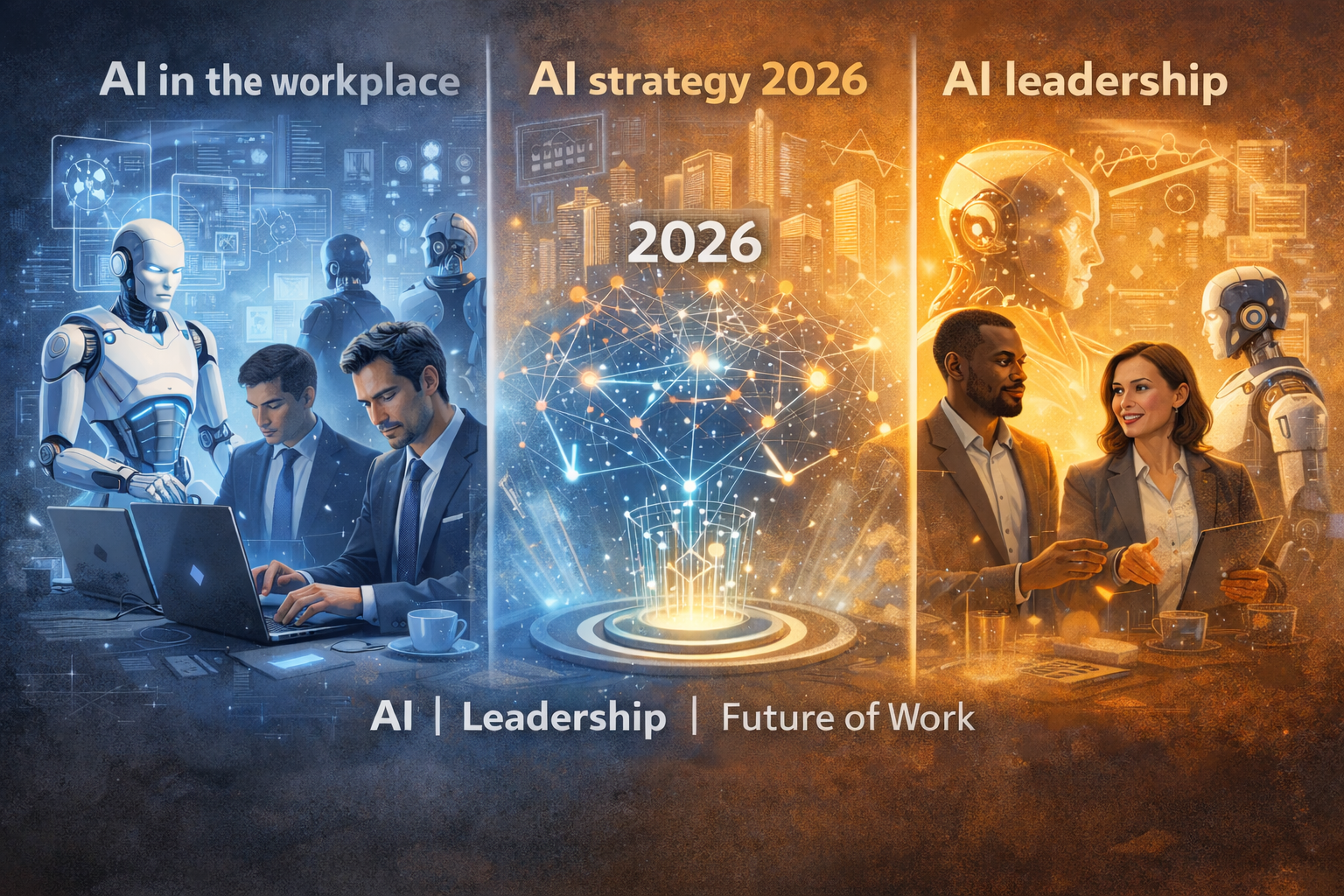
AI in the Workplace in 2026: It's Not Coming — It's Already Here

A year ago, the conversation around AI in the workplace was still largely theoretical for many organizations. Leaders were asking “should we adopt AI?” Today, that question is obsolete. The real questions are: How fast are you moving? And do you have a strategy — or are you just reacting?

Continue reading

AI in Autonomous Teams: Enhancing Processes and Avoiding Pitfalls

Artificial Intelligence (AI) is reshaping the modern technology landscape. In autonomous engineering teams, AI offers incredible opportunities to enhance CI/CD, governance, team structures, and overall productivity. However, adopting AI requires caution and awareness of potential pitfalls. Let’s explore how AI can improve each area we’ve discussed so far—and where teams should tread carefully.

Continue reading

Avoiding Pitfalls and Preventing Shadow IT

As engineering teams embrace autonomy, the risk of shadow IT—unauthorized technology solutions that bypass official channels—can grow. This article explores how to balance autonomy with visibility, governance, and trust.


Table of Contents

  1. Introduction
  2. What is Shadow IT and Why It Happens
  3. The Risks of Shadow IT
  4. Strategies for Preventing Shadow IT
  5. Real-World Tools and Practices
  6. Fostering Transparency and Trust
  7. Best Practices for Balancing Autonomy and Oversight
  8. Conclusion
  9. Reflection Prompt

1. Introduction

Autonomous teams often innovate faster, but this freedom can lead to hidden or unauthorized solutions, known as shadow IT. According to Gartner, shadow IT can represent 30% to 40% of IT spending in large enterprises (Gartner Report).

Continue reading

Integrating Modern CI/CD, Infrastructure as Code, and Automation Tools

Supporting autonomous engineering teams requires a strong foundation of CI/CD, Infrastructure as Code (IaC), and automation tools. This article explores real-world tools, best practices, and integration strategies to help your teams scale effectively.


Table of Contents

  1. Introduction
  2. Why CI/CD, IaC, and Automation Matter for Autonomous Teams
  3. Building a Solid CI/CD Pipeline
  4. Infrastructure as Code (IaC): The Backbone of Modern DevOps
  5. Automation Tools to Supercharge Autonomy
  6. Real-World Tool Examples and Use Cases
  7. Best Practices for Integration
  8. Challenges and How to Overcome Them
  9. Conclusion
  10. Reflection Prompt

1. Introduction

Modern engineering teams thrive when they can deploy, test, and iterate rapidly. Autonomous teams especially need robust pipelines and infrastructure that support independence without sacrificing governance or stability.

Continue reading

Real-World Case Studies: The Impact of Autonomous Teams at Scale

Autonomous engineering teams are reshaping the way technology organizations deliver value. Let’s explore real-world case studies from leading tech companies, showcasing both successes and challenges, to understand the impact of scaling autonomous teams.

Spotify: Squads, Tribes, Chapters, and Guilds

Spotify’s engineering culture is often cited as the blueprint for autonomous teams. Their Squad model empowers small, cross-functional teams to own specific features end-to-end. Squads align with Tribes (related groups), Chapters (discipline-based communities), and Guilds (interest-based communities) to balance autonomy with knowledge sharing.

Continue reading

Balancing Autonomy with Governance

As organizations embrace autonomous teams to drive innovation and speed, they face a critical challenge: how to maintain effective governance without undermining autonomy. Let’s explore practical strategies, frameworks, and tools that enable this balance in modern engineering organizations.

The Governance-Autonomy Paradox

Autonomy accelerates decision-making and ownership, but without governance, it risks misalignment and compliance gaps. Governance frameworks ensure accountability, regulatory adherence, and consistency across teams.

Continue reading